Flowers Border Frame Review
A Professional Embroidery Designer’s Take on Real-World Brand Use
As an embroidery designer who’s developed hundreds of machine embroidery designs for small businesses—from neighborhood bakeries to indie florists and pet-care brands—I approached Flowers Border Frame with a practical eye: not just “Is it pretty?” but “Will it strengthen brand identity, hold up in production, and resonate with customers?” This isn’t decorative fluff—it’s a working design asset. And after testing it across caps, aprons, tote bags, and embroidered patches, here’s what I found.
First Impression: Friendly, Versatile, and Quietly Premium
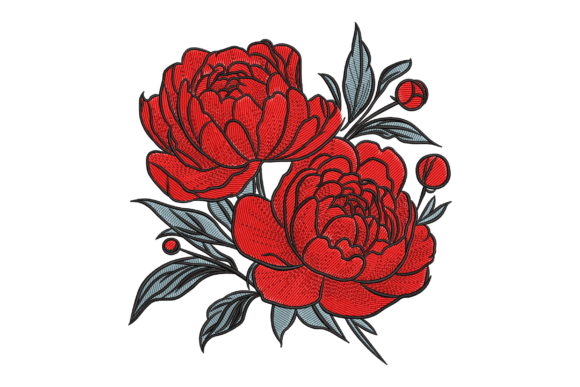
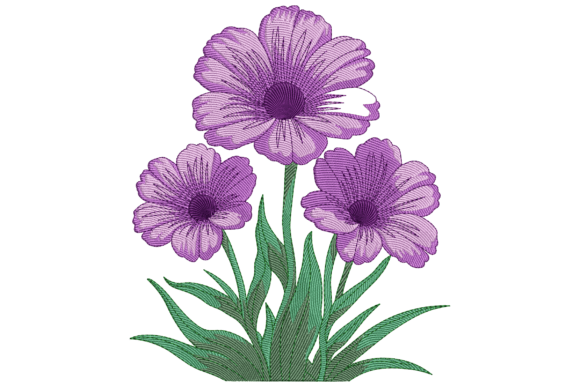
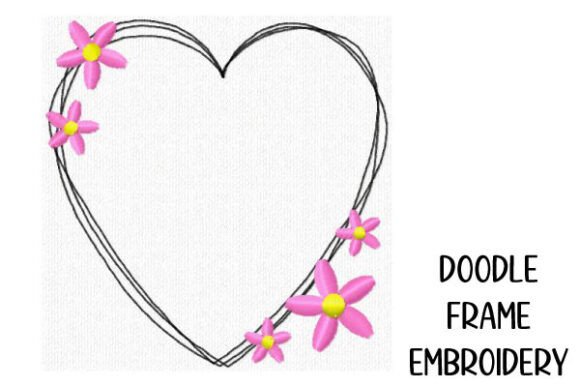
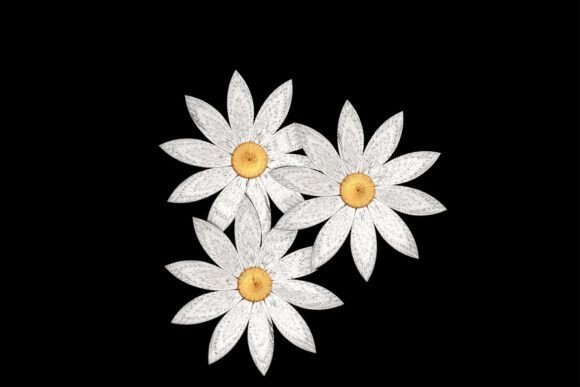
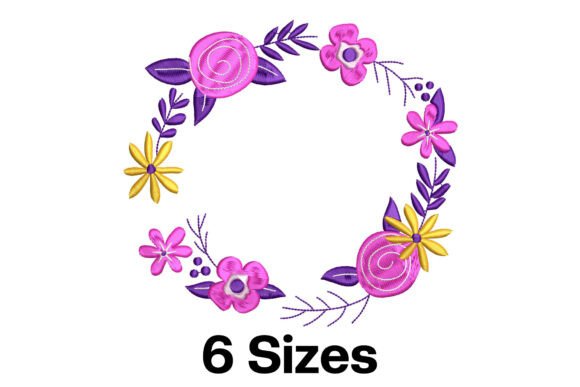
The name Flowers Border Frame immediately signals intention—not a single bloom, not a wild scatter, but a composed, framing element. That tells me this design is built for structure: ideal for chest logos, sleeve cuffs, or the outer edge of a branded tote bag. It reads as handmade product meets professional polish—neither overly rustic nor sterile. For a small café or boutique, it conveys warmth without sacrificing clarity. For a florist or creative studio, it feels intentional and artful—not generic clipart. It belongs in the Floral Wreaths category, yes—but unlike dense wreaths meant for centerpieces, this one breathes. Its open negative space makes it adaptable, scalable, and ready for commercial embroidery.
Where It Shines in Small Business Merch
- Embroidered patches: Perfect for iron-on or sew-on branding on jackets, aprons, or gift boxes. The border shape gives clean edges for cutting, and its balanced weight holds detail even at 2.5"–3" wide.
- Apron embroidery: Placed along the bottom hem or pocket edge, Flowers Border Frame adds subtle sophistication—elevating a utilitarian item into a signature piece for staff or customer giveaways.
- Cap embroidery: Works beautifully on the front panel when sized down to ~2.25". Its symmetrical flow avoids distortion on curved surfaces, especially with proper stabilizer.
- Tote bag design: As a side or bottom-corner accent, it frames your logo without competing—ideal for boutiques or farmers’ markets where visual consistency matters.
- Custom apparel: On t-shirts or work shirts, use it as a sleeve detail or back neckline accent. Its light stitch density (relative to ultra-dense floral fills) means less puckering on lightweight cottons.
- Product packaging accents: Stitched onto linen tags, canvas pouches, or handmade soap wraps, it reinforces artisanal credibility without overwhelming the product.
Use With Care: Practical Limits Every Designer Should Know
Even strong designs have boundaries—and respecting them prevents rework, client pushback, and damaged reputation. Here’s where Flowers Border Frame needs thoughtful handling:
- Small patch sizes under 2": Test first. Delicate stems or thin petals may lose definition. Simplify or adjust thread colors for contrast before finalizing.
- Dark uniforms or textured fabric: High stitch density in tight areas can flatten on fleece or heavy twill. Always pair with cutaway stabilizer—and consider slightly heavier thread (e.g., 40-weight instead of 60-weight) for visibility.
- Frequent-wash items (e.g., staff aprons): Confirm the design’s outline integrity. A weak or over-stitched outer edge may fray over time. Reinforce with satin stitch borders if needed.
- Curved cap fronts or tapered sleeves: Hoop size matters. If your hoop is too small for the full frame, you’ll risk misalignment. Measure your standard cap hoop before digitizing placement.
- Commercial licensing: Since this is a digital embroidery file intended for small business merch, verify that your purchase includes rights for resale, branded goods, and unlimited end-use. Never assume.
How It Shapes Brand Identity—Beyond Aesthetics
A design like Flowers Border Frame does more than decorate—it communicates. When stitched consistently across aprons, tote bags, and embroidered patches, it builds brand identity through repetition and rhythm. Customers begin to recognize that gentle floral rhythm as *your* visual language—whether you’re a ceramicist, a local florist, or a sustainable pet brand. It says “thoughtful,” “human-made,” and “intentionally crafted.” That perception directly affects customer trust and perceived product value. Unlike stock graphics, a well-executed machine embroidery design signals investment—in quality, consistency, and care. And for Etsy sellers or crafters, that distinction drives engagement and repeat sales.
Designer Notes You Can’t Skip Before Production
- Test in black and white first. Assess balance and spacing without color distraction—especially important for thread colors that must pop against your fabric.
- Check performance at smallest intended size. Resize to your target patch or cap dimensions and zoom in. Are stems legible? Does the frame retain proportion?
- Review thread color contrast. Light threads on light fabric—or dark on dark—can vanish. Try matte vs. rayon for different finishes.
- Inspect spacing between elements. Tight loops or overlapping petals increase stitch density and risk shifting on stretchy fabrics.
- Confirm hoop size compatibility. Don’t guess—measure your standard hoops and compare to the design’s native dimensions.
- Test on real fabric—not just stabilizer. Run a sample on your actual apron twill or cap twill to assess drape, tension, and finish.
- Create a printable mockup. Show clients how Flowers Border Frame integrates with their logo or tagline before stitching begins.
- Compare beside other design assets. Does it harmonize with your existing logo, icons, or typography—or clash in weight or era?
- Verify commercial licensing. Especially for resale or wholesale, confirm usage rights for small business merch, custom apparel, and physical products.
Bottom line: Flowers Border Frame isn’t just another floral motif. It’s a flexible, business-ready embroidery file—designed to support professionalism while keeping warmth intact. Whether you're building a cohesive handmade product line or launching your first batch of staff uniforms, this Embroidery design earns its place in your active design assets. Just remember: great results start with smart prep—not just beautiful stitches.