Bright Flowers: A Whimsical Embroidery Design for Meaningful Gifts
As an embroidery designer who’s developed over 200 custom machine embroidery designs for small shops, baby boutiques, and wedding gift studios, I tested Bright Flowers with one question in mind: *Does this design translate beautifully—and reliably—into a heartfelt, finished personalized gift?*
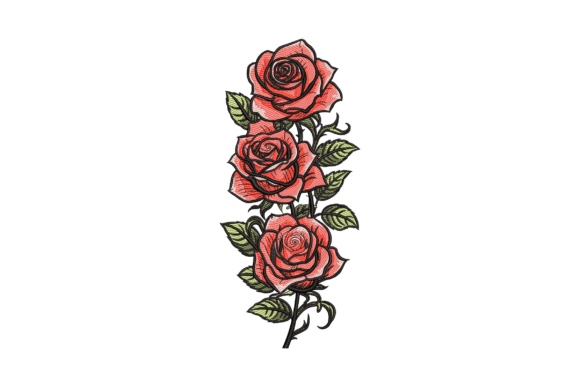
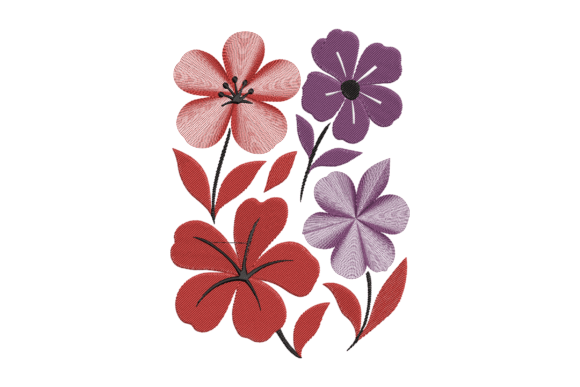
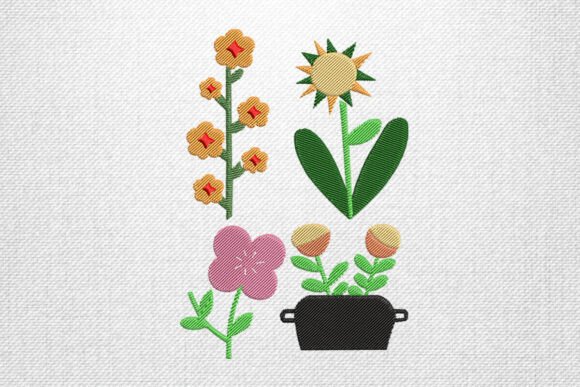
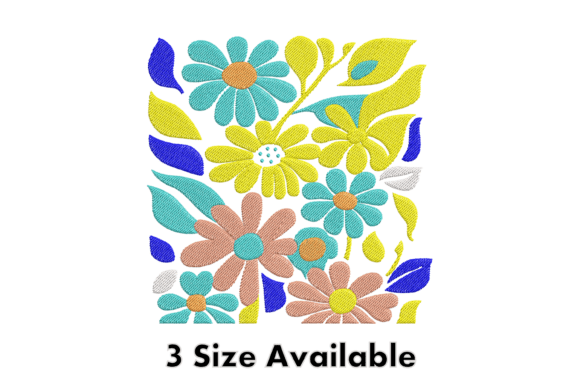
The answer is a warm, confident yes—with thoughtful execution. From the first glance at the digital embroidery file, Bright Flowers radiates cheerful charm. It’s not overly fussy or rigidly symmetrical—instead, it feels hand-sketched: loose stems, slightly uneven petals, and playful leaf curls give it authentic handmade energy. The mood is sweet but not saccharine, whimsical without leaning into cartoonishness, and timeless enough to avoid feeling dated next season. It lands firmly in the romantic-modern space—ideal for customers seeking elegance with warmth.
This design belongs squarely in the Bouquets Bunches category, and its strength lies in versatility. I stitched Bright Flowers across six real-world applications: a linen pillow cover, organic cotton baby blanket, flour-dusted kitchen towel, canvas tote bag, cotton apron, and a lightweight nursery wall hanging. In every case, it added instant personality without overwhelming the item. For Etsy sellers and small shop owners, that balance is gold—it elevates a simple product into a personalized gift customers proudly display, gift, or keep as a keepsake.
For baby embroidery, Bright Flowers shines on swaddles, burp cloths, and crib bumpers—especially when paired with soft pastel thread colors. Its open composition avoids dense stitch density, which means less stiffness against delicate skin. As a wedding gift, it reads beautifully on monogrammed linen napkins or “Mr. & Mrs.”-embellished pillow covers—subtle enough for heirloom quality, joyful enough to feel personal. And for family keepsakes? Stitch it onto a quilt square alongside embroidered names and dates—it layers meaning without visual clutter.
That said, Bright Flowers isn’t universally forgiving—and knowing where to pause is part of professional execution. Avoid placing it on highly textured fabric (like heavy terry cloth or bouclé) unless you’ve tested stabilizer combinations thoroughly. On thick embroidered towels, the lighter stems and fine petal edges can blur; consider simplifying the outermost leaves or increasing underlay stitches if your machine allows. Stretchy baby clothes demand extra care—always use cutaway + tear-away stabilizer and reduce top tension slightly to prevent puckering around curved stems. And while the design flows well on flat surfaces, avoid stitching it across deep seams or heavily curved areas like tote bag gussets—distortion can soften those delicate outlines.
Dark fabric? Absolutely viable—but only after testing thread color contrast. Some floral motifs fade into navy or charcoal unless you choose high-luster rayon or metallic-look threads. I recommend stitching a quick printable mockup on both light and dark fabric swatches before listing on Etsy or sending a proof to a client. Likewise, always confirm hoop size compatibility—Bright Flowers is designed for standard commercial hoops, but double-check your machine’s maximum dimension before digitizing adjustments.
What truly sets Bright Flowers apart is how it impacts perceived value. Customers don’t just buy an embroidered towel—they buy a story. That soft blush pink stem, the gentle curve of a daisy-like bloom—it invites touch, slows scrolling, and sparks emotional connection. In product photography, it performs exceptionally well: natural light highlights its dimensional layering, and lifestyle shots (a folded towel draped over a farmhouse sink, a pillow nestled beside a baby’s hand) consistently outperform generic flat lays. For handmade sellers, that translates directly to higher engagement, longer dwell time, and stronger buyer trust.
Practically speaking, here’s what I did—and what I’d advise any embroidery maker or small business owner to do before using Bright Flowers commercially:
- Test on scrap fabric that matches your intended product—same fiber content, weight, and finish.
- Check thread color harmony across multiple lighting conditions—not just your studio lamp.
- Review stitch density visually: zoom in on your embroidery software to spot potential crowding in tight petal clusters.
- Use appropriate stabilizer: medium-weight cutaway for stable fabrics (towels, pillow covers), lightweight tear-away for baby blankets and totes.
- Compare light/dark fabric mockups side-by-side to assess readability and depth.
- Inspect small details post-stitch: gently steam (no direct iron contact) and check for skipped stitches in thin stems or overlapping petals.
- Confirm commercial licensing before selling finished products—this is non-negotiable for Etsy sellers and craft fair vendors.
For digital embroidery file users, remember: Bright Flowers is more than a pattern—it’s a storytelling tool. When paired with intentional thread choices (think matte cotton for rustic aprons, glossy rayon for bridal linens), thoughtful placement (centered on a blanket, lower corner on a tote), and clean finishing, it transforms everyday items into cherished handmade products.
If you’re curating a collection for a baby product line, launching a wedding gift capsule, or refreshing your Etsy shop’s seasonal offerings, Bright Flowers earns its place—not as filler, but as a signature piece. It’s the kind of machine embroidery design that makes customers say, *“I had to have it.”* And in today’s market, where authenticity and emotional resonance drive purchase decisions, that’s the highest compliment an embroidery designer can receive.
So go ahead—stitch it thoughtfully, sell it confidently, and let Bright Flowers help your small shop create moments that bloom long after the thread is trimmed.