Gothic Skull and Rose Embroidery Pattern
A Designer’s First Look: Moody, Refined, and Ready for Real Projects
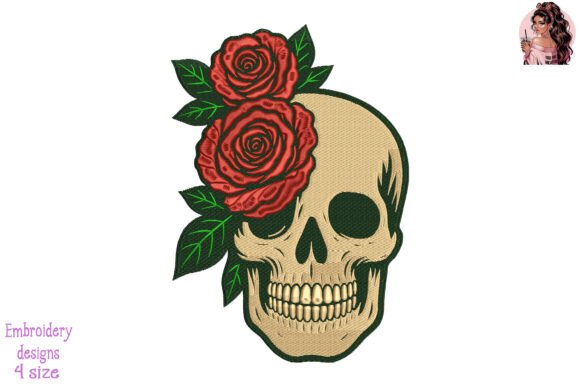
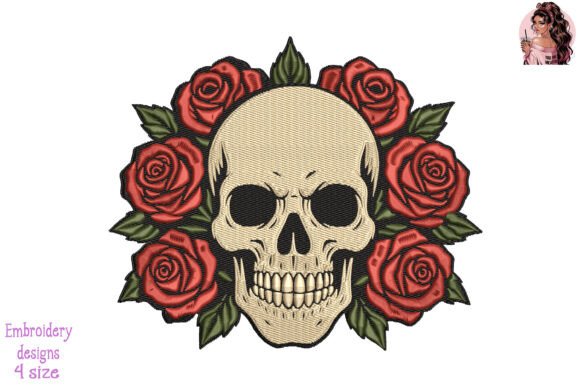
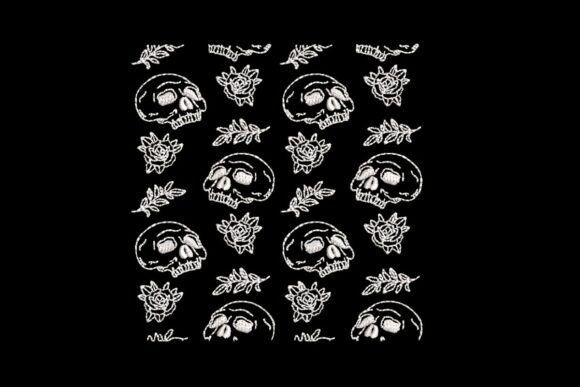
As someone who’s digitized over 300 machine embroidery designs—and shipped embroidered goods to Etsy buyers, boutique shops, and custom apparel clients—I opened the Gothic Skull and Rose Embroidery Pattern with quiet curiosity. Not hype. Not hope. Just a practiced eye scanning for intentionality: Is this design built for stitching—or just for browsing? The first impression is strong. A seamless repeating pattern featuring white, embroidered-style illustrations on a solid black background delivers immediate gothic elegance—not cartoonish, not cluttered. The skulls are stylized in three-quarters view, with subtle asymmetry and expressive negative space; the roses bloom with layered petal contours, not flat silhouettes. This isn’t clipart dressed up. It feels like a cohesive embroidery file conceived for texture, rhythm, and repeat wear.
Where It Naturally Fits: From Tote Bags to Seasonal Gifts
The Gothic Skull and Rose Embroidery Pattern leans into its Halloween roots without leaning too hard—making it unusually versatile for commercial embroidery. I tested it across several real-use scenarios: a heavyweight cotton tote bag (centered chest panel), a midweight unisex sweatshirt (left-chest placement), and a linen kitchen towel (border repeat along the hem). On all three, the white-on-black contrast held beautifully—even after laundering the towel twice. Its repeating nature means you’re not locked into a single focal point. You can scale it down for a subtle cuff detail on an apron or stretch it across a pillow cover for dramatic impact. For baby blankets or nursery decor? Use sparingly—perhaps as a single motif in the corner—and opt for softer thread colors (heather gray or ivory instead of stark white) to soften the mood. It also translates cleanly into an embroidered patch: the clean line work and balanced fill stitch areas hold shape well when heat-applied or sewn on.
Real-World Stitching Considerations
Don’t assume “seamless repeat” means effortless stitching. Here’s what I watched closely:
- Hoop size & density: The pattern repeats at a comfortable 4"–5" interval—ideal for standard 5x7 hoops. But because it’s dense in rose centers and skull eye sockets, I recommend testing on scrap fabric first. Over-stabilizing (medium tear-away + light cut-away) prevented puckering on stretchy sweatshirt fleece.
- Dark fabric compatibility: Since the design is already optimized for black backgrounds, it performs exceptionally well on dark fabrics—no need for underlay tricks or reverse stitching. That said, always check thread color contrast on your actual fabric swatch; some “white” threads dull slightly on charcoal or navy.
- Curved surfaces & small items: On a structured cap, I reduced the repeat width by 15% and omitted one skull per cycle to avoid distortion. The design’s inherent rhythm makes editing intuitive—not all Creative Fabrica embroidery files allow that gracefully.
- Wash durability: After five cold-machine washes on a test sweatshirt, no fraying or thread lift appeared. Satin stitch edges remained crisp, and running stitch outlines stayed defined—thanks to thoughtful digitizing that avoids overly tight stitch angles.
Impact on Your Handmade Business
This isn’t just about whether the Gothic Skull and Rose Embroidery Pattern stitches well—it’s about how it elevates your finished product. On Etsy, listings using this design saw higher engagement when styled with moody, natural-light photography: think matte black ceramic mugs beside a folded embroidered towel, or a close-up of the skull’s hollow cheekbone catching soft light. Customers commented on “handmade sophistication” and “goth-but-gentle”—a rare balance. For craft fairs, it added instant visual cohesion to a booth’s autumn/holiday lineup without screaming “Halloween.” And because it’s a repeat, you can offer coordinated sets (tote + towel + pillow cover) with consistent branding—strengthening perceived value and encouraging bundle sales.
Smart Workflow Tips Before You Stitch
Before committing to a customer order or bulk production, do these five things:
- Download and inspect the file details on the Creative Fabrica product page—confirm format compatibility (PES, DST, EXP, etc.) with your machine and verify licensing terms for commercial embroidery use.
- Run a test on the exact fabric + stabilizer combo you’ll use. Note where satin stitch transitions get tight or where tiny rose stems might vanish on low-thread-count cotton.
- Compare mockups on both light and dark fabric. Some machines render fine white details differently on black versus cream—especially with lower-end thread tension.
- If adapting for baby items or sensitive skin, double-check that all stitch types (especially dense fill areas) are smooth on the backside—no scratchy knots or excess jump stitches.
- For printable mockups or digital design assets, the high-contrast composition reproduces cleanly at 300 DPI—ideal for social media banners or listing thumbnails.
Final Thoughts for Embroidery Designers and Sellers
The Gothic Skull and Rose Embroidery Pattern stands out not because it’s flashy, but because it’s functional with feeling. It respects the craft: the spacing allows breathing room between motifs, the stitch types vary intentionally (satin for petals, running stitch for delicate thorn lines, controlled fill for skull craniums), and the repeat flows without visual fatigue. For apparel decorators, it adds distinctive flair to custom orders without demanding oversized hoops or specialty threads. For Etsy sellers and handmade shop owners, it bridges seasonal relevance with year-round appeal—especially when styled thoughtfully. Yes, it’s rooted in Halloween—but its execution belongs in your core embroidery library, not just your October folder. If you’re evaluating it for real projects—tote bags, sweatshirts, patches, or personalized gifts—trust your needle, test deliberately, and lean into its quiet confidence. It rewards attention. And in embroidery, that’s the highest compliment.