Poppy Flowers: A Boutique Sweatshirt Embroidery Review
First Impressions: Charm with Quiet Confidence
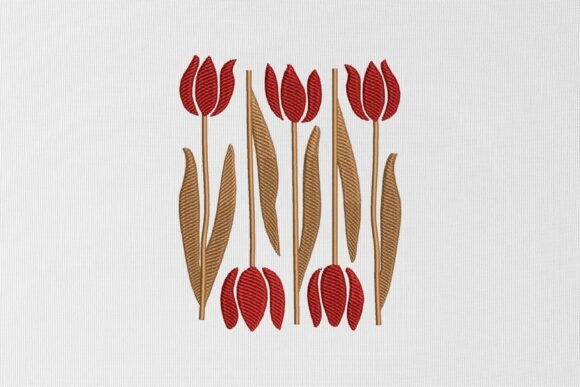
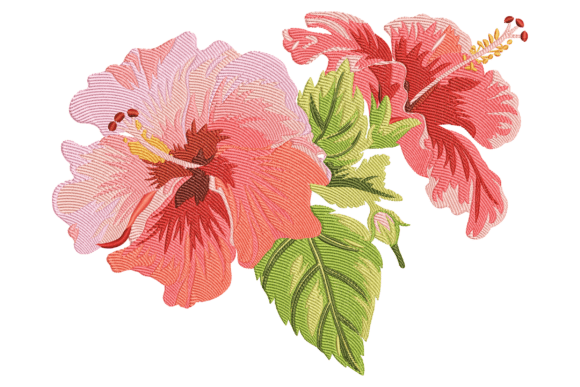
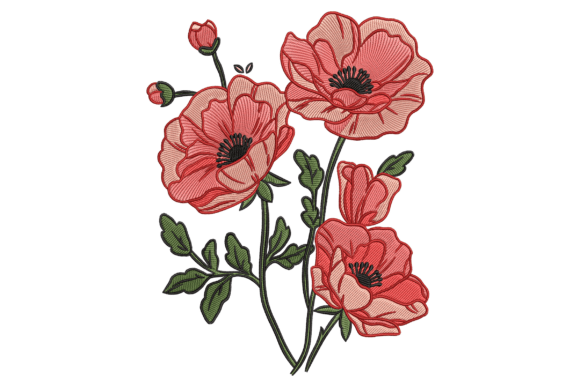
As an embroidery designer who’s stitched for over a dozen small-boutique launches—from Brooklyn-based loungewear lines to Pacific Northwest cottage-core labels—I opened Poppy Flowers expecting whimsy. What I found was something more intentional: a light-hearted yet grounded machine embroidery design that balances botanical softness with structural clarity. It doesn’t shout—it leans in. The layout suggests a loose, hand-picked bouquet rather than a rigid floral arrangement—petals tilt slightly, stems curve with gentle asymmetry, and negative space breathes around each bloom. That’s critical for sweatshirt embroidery: too tight, and it flattens on thick fabric; too sparse, and it disappears on dark heather gray. Poppy Flowers lands right in the sweet spot.
How It Wears on Real Boutique Sweatshirts
This isn’t just a design—it’s a styling partner. On a heavyweight, oatmeal-colored oversized hoodie? Poppy Flowers reads as quietly luxurious—feminine without being fussy, playful without tipping into novelty. On charcoal French terry or deep navy loopback cotton, the contrast sings when paired with warm-toned thread (think terracotta, burnt sienna, or honeyed mustard). And on pastel heathers—dusty rose, sage, or sky blue—it becomes effortlessly cohesive, like the flowers grew there.
I tested placement options across sample mockups: centered chest (ideal for minimalist branding), left-chest (clean and classic for small shop product), sleeve cuff (a subtle surprise for lifestyle photography), and back yoke (elegant and unexpected for limited drops). All worked—but the real magic is how Poppy Flowers adapts. Its scale feels intentional for apparel, not repurposed from home decor. No awkward stretching or shrinking needed. That flexibility makes it a reliable workhorse for Etsy sellers juggling custom apparel orders and seasonal collections.
Mood & Brand Alignment: More Than Just “Cute”
Let’s name it: Poppy Flowers is charming—but charm alone doesn’t sell premium sweatshirts. What elevates it is its layered personality. It’s feminine (soft curves, organic flow), playful (quirky stem angles, slight petal overlap), and rustic-adjacent (no hyper-polished symmetry)—yet never twee or dated. For a boutique brand building visual recognition, that balance matters. It supports storytelling: think “slow-made,” “small-batch,” “intentionally joyful.” It won’t clash with serif logotypes or linen tags. It complements handmade product photography—especially flat lays with dried florals, ceramic mugs, or raw-edged denim.
And because it lives in the Bouquets Bunches category—not “Holiday” or “Monogram”—it’s inherently versatile across seasons. No need to retire it after spring. Pair it with wool-blend knits in fall or lightweight French terry in summer. Its energy stays fresh.
Designer Reality Check: Stitching It Right
Here’s where experience kicks in. Sweatshirt embroidery demands respect for fabric texture and stitch density. Thick fleece absorbs detail; low-density fills can vanish. High-density stitching risks stiffness and puckering. Poppy Flowers appears thoughtfully constructed for commercial embroidery: moderate fill areas, clean satin-stitched petals, and well-defined stem outlines that hold shape even at 3.5–4 inches wide. That means fewer thread breaks, smoother hooping, and better wash durability—key for customers who treat their small shop purchases as heirlooms, not disposables.
Stabilizer choice remains essential. For heavyweight hoodies, I recommend medium-weight cutaway + tear-away combo. For lighter French terry, a single layer of high-quality tear-away often suffices—Poppy Flowers doesn’t overload the fabric. Hoop size? Likely fits comfortably in a 4x4 or 5x7—ideal for standard embroidery machines used by small studios and home-based Etsy sellers. Always verify hoop size before production, though—never assume.
Thread colors make or break the mood. On cream or ivory, soft peach and sage read serene. On black, go bold: deep burgundy stem + ivory petal gives instant sophistication. Avoid ultra-bright neon threads—the design’s quiet confidence gets lost. And remember: always test stitch on fabric scraps first. Sweatshirt dye lots vary, and thread sheen shifts dramatically under studio lighting vs. natural light.
Why This Design Builds Trust—and Sales
In a crowded digital marketplace, handmade presentation isn’t decorative—it’s functional. Poppy Flowers signals care. Its balanced composition tells shoppers: *This wasn’t rushed. This was chosen.* That perception lifts perceived value instantly. When your Etsy listing features a crisp printable mockup of Poppy Flowers on a relaxed-fit hoodie beside a handwritten tag and linen tote, you’re not just selling apparel—you’re offering aesthetic alignment.
For small clothing brands, that consistency compounds. Use Poppy Flowers across sweatshirts, matching tote bags, and even embroidered thank-you cards—it becomes a recognizable motif, a subtle anchor in your design assets. Customers begin to associate that loose, joyful poppy cluster with your voice: thoughtful, tactile, human-scaled. That kind of visual recognition builds loyalty faster than any discount code.
A Final Note for Creative Entrepreneurs
Poppy Flowers isn’t flashy—but it’s resilient. It works on towels and home decor (as the description notes), yes—but its true strength shines on apparel, especially sweatshirt embroidery where comfort and character must coexist. It’s the kind of digital embroidery file that earns repeat use: one season on chest pockets, next season repositioned as a sleeve accent, then scaled down for kids’ tees. Its versatility is quiet, not loud—and that’s exactly what small shop product development needs.
Before you launch: confirm file format compatibility with your machine, double-check actual stitch count (not listed here), and always review the license terms for commercial embroidery use. But if those boxes are checked? Poppy Flowers is ready—not just to embellish fabric, but to elevate your entire boutique brand narrative.