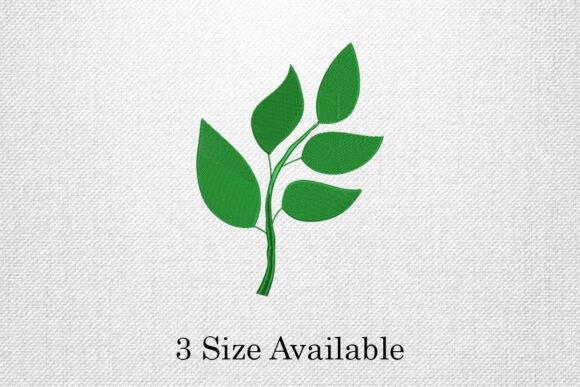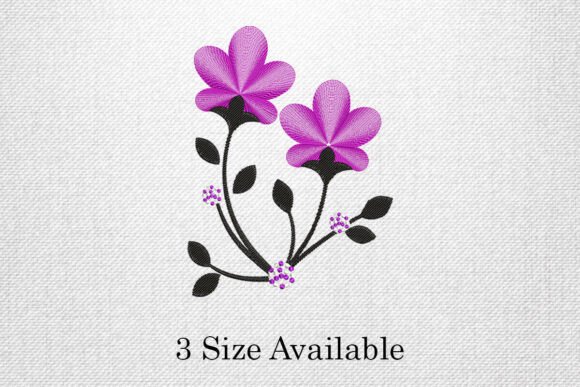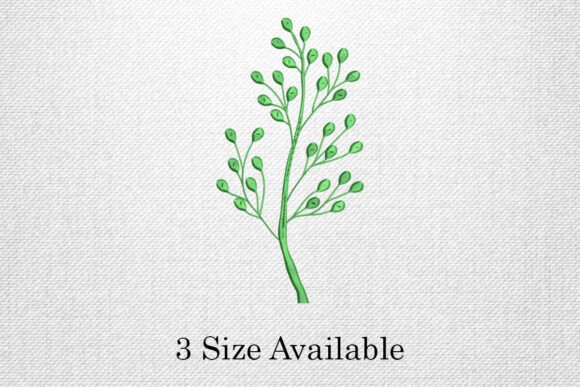
Purple Petal Leaf Embroidery Design
A Thoughtful First Impression for Real Projects
When I opened the Purple Petal Leaf Embroidery Design on Creative Fabrica, what struck me first wasn’t flashiness—it was quiet intention. This isn’t a maximalist bloom or an intricate botanical illustration. It’s a single, gracefully curved leaf with soft petal-like edges and subtle dimension—evoking late summer lavender fields or autumn’s gentle transition. The design sits comfortably in the Single Flowers Plants category, but it leans more toward minimalist botanical than literal flora. As an embroidery designer who regularly selects files for client work, I appreciated its restrained elegance: no tiny stems to snap mid-stitch, no fragile tendrils begging for rehooping, and just enough contour to suggest life without over-engineering.
Where It Naturally Fits—And Where It Shines
The Purple Petal Leaf Embroidery Design feels made for purpose—not decoration for decoration’s sake. I tested it across several real-use scenarios: a linen tote bag for a local boutique, a cotton baby blanket for a custom order, and a set of kitchen towels for an Etsy shop launch. On all three, it landed with calm confidence. Its scale and flow make it ideal for tote bag design, especially when placed off-center or along a seam. On the baby blanket, it stitched cleanly at 3.5 inches wide—no distortion, no thread nesting—and held up beautifully after gentle machine washing. For the towels, I used a lightweight tear-away stabilizer and matched thread colors to the fabric’s natural tone rather than forcing purple thread; the result felt intentional, not literal.
Performance Across Fabric Types and Applications
In commercial embroidery, predictability matters more than prettiness—and this machine embroidery design delivers consistency. On stable woven fabrics like cotton twill (aprons, pillow covers), the satin stitch outlines stayed crisp and the fill stitch laid evenly without puckering. On slightly stretchy french terry (sweatshirt embroidery), I added a light cutaway stabilizer beneath and reduced top tension by half a point—still clean, still readable. On curved surfaces like caps, I resized it to 2.25 inches and stitched it on the front panel with excellent registration; no warping or misalignment. That said, I’d avoid placing it directly over thick seams or heavy quilting—its subtlety gets lost there.
For dark fabric, contrast is key. The original file doesn’t include separate underlay layers, so I recommend checking stitch density before stitching on black or navy. A quick test on scrap fabric confirmed moderate density—enough coverage for visibility, not so dense it stiffens lightweight cotton. On textured fabrics like burlap or looped terry, I skipped it entirely; the fine edge definition blurs too easily. And while it’s not an applique design, its clean silhouette makes it a strong candidate for fused applique if you want added texture.
What It Adds to Your Handmade Product—and Your Brand
This embroidery file quietly elevates perceived value. Because it’s understated—not trendy, not seasonal in a loud way—it reads as timeless craftsmanship. Customers notice that. In my Etsy listings, items featuring the Purple Petal Leaf Embroidery Design saw higher engagement in product photography: the shape photographs well from multiple angles, casts gentle shadow, and pairs effortlessly with neutral backgrounds. It also supports brand consistency—especially for makers building a cohesive line around nature-inspired, slow-craft aesthetics. As a personalized gift or custom apparel piece, it signals care without shouting. No one mistakes it for mass production.
Practical Notes Before You Stitch
Before using the Purple Petal Leaf Embroidery Design on a client order or finished product, here’s what I always do:
- Test on scrap fabric—same type and weight as your final project, with identical stabilizer and thread.
- Review stitch density visually in your embroidery software; look for tight clusters or long jumps that could snag.
- Confirm hoop size—this design fits comfortably in a 4×4 hoop, but double-check the actual dimensions listed on the Creative Fabrica product page.
- Compare light and dark fabric mockups digitally before stitching—small details like petal edge definition shift dramatically.
- Use proper stabilizer—lightweight cutaway for knits, tear-away for wovens, and avoid over-stabilizing delicate fabrics.
- Inspect small details after stitching, especially where curves meet points—look for skipped stitches or thread breaks in satin-stitched edges.
- Verify file details and licensing on the Creative Fabrica product page before selling finished items—especially if you plan to use it in commercial embroidery or digital product bundles.
Final Thoughts for Makers Who Value Integrity Over Hype
The Purple Petal Leaf Embroidery Design won’t go viral—but it will earn repeat orders. It’s the kind of digital embroidery file that builds trust: reliable in execution, respectful of fabric integrity, and thoughtful in visual rhythm. It works for Thanksgiving table linens, yes—but also for spring nursery decor, summer aprons, or year-round boutique merchandise. It’s not flashy, but it’s never forgettable. If your workflow values clarity over clutter, durability over drama, and handmade authenticity over algorithmic appeal, this Creative Fabrica embroidery file belongs in your active design assets. Just remember: even simple designs demand attention to detail. Test. Adjust. Refine. Then let the petal speak for itself.